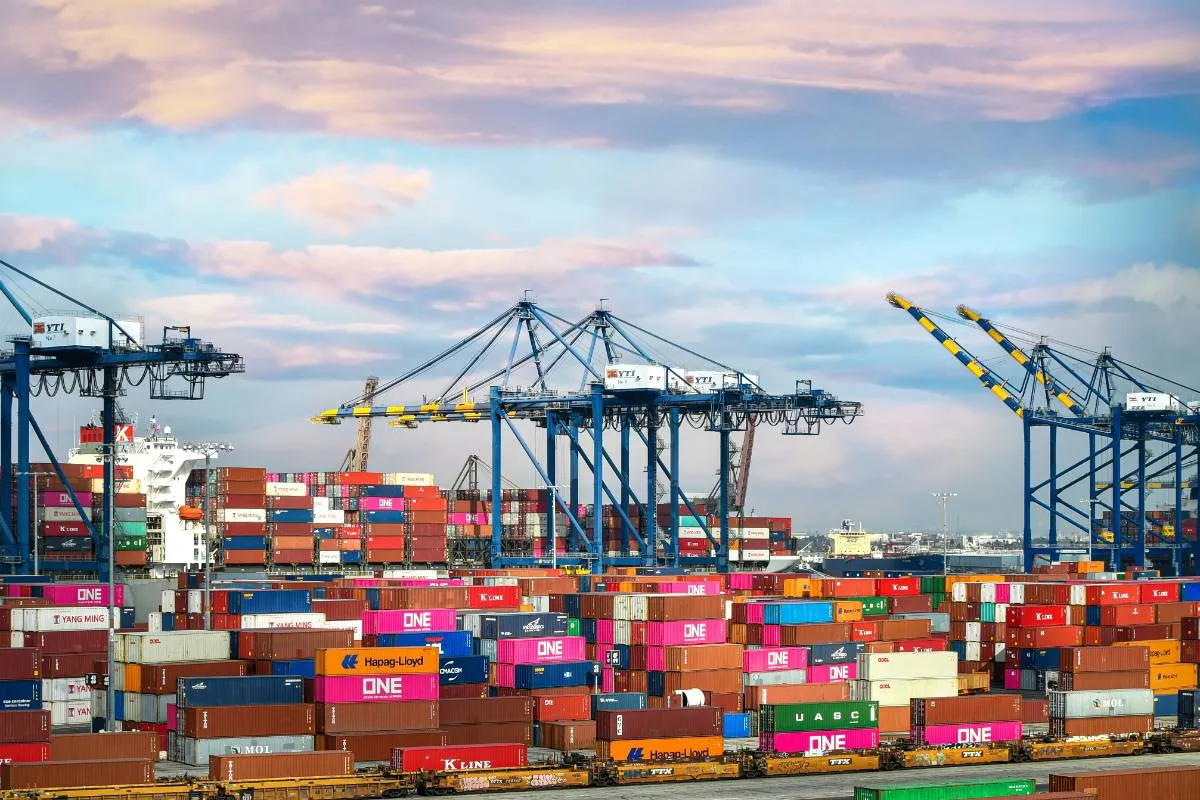
The operator runs bulk, breakbulk and general-cargo handling alongside ship-to-door services, customs-clearance support, transport and warehousing. Vessels, cargo, equipment, trucks, storage, documents and customers form one connected system, so a delay in one place becomes a loss in several. Leadership points to vessel queues, cargo urgency, importer payment and contract readiness, and the downstream cost of delayed cargo. In some scenarios, management estimates delay exposure at around US$50,000 per vessel-day, a figure to be validated because the contract basis, payer and capturable value differ by vessel and charter. The new Terminal Operating System is designed, its processes documented and implementation under way. It is the system of record, not an intelligence layer: large data volumes serve mainly reporting, root-cause analysis relies on manual investigation and expert memory, and the manual workarounds, spreadsheets and calls around the system are where much of the leakage sits.
The Terminal Operating System stays the system of record. World AI OS adds the intelligence above and across it: prediction, optimization and decision support, with people accountable for safety-critical, contractual and operational decisions. The engagement runs in stages. A no-fee preparation phase settles scope, data requests and contracting. Discovery then validates how work really happens in production, quantifies value leakage, ranks the six value streams on evidence and builds full business cases for the top three. A decision gate follows, with no automatic build commitment. Build, Deploy & Run starts with the highest-priority workflow under an annual contract. Models begin in shadow or advisory mode and gain authority only after agreed acceptance thresholds are met. Realized value is measured against a baseline, and each deployment leaves behind connectors, data definitions and operating memory that make the next workflow faster.
An AI performance engine above the system surfaces KPI leakage, explains likely drivers and tests interventions, instead of reporting deviations after the loss. It tracks berth productivity, tonnes per hour, idle time and cost per ton.
Predicts arrival, berthing and departure times and service duration, flags berth and resource conflicts early, tests alternative sequences and recommends the next best action, in advisory mode first.
A control tower tracks every payment, document and release milestone, predicts readiness risk, names the responsible party and escalates exceptions before operational resources are committed.
Predicts congestion, matches discharge rate to truck and storage capacity, forecasts customer delivery and recommends dispatch and storage sequences within contractual and operational rules.
Predicts failure and availability risk, forecasts resource demand by vessel and cargo, and sequences preventive maintenance around the operating plan to protect productive hours.
Maps requirements to procedures, evidence and owners across the quality, environmental and safety management systems, flags missing or expired evidence and prepares audit packs. Authorized owners and auditors keep the compliance judgment.